

If your Instagram reach slipped last year, the first instinct is to ask what you did wrong. Usually the answer is nothing.
In 2025 the number of business accounts on Instagram grew by 64%. The number of posts doubled. Weekly posting frequency rose by 21%. In the same period, the average reach of a feed post fell by 31%, from 9,877 accounts to 6,754. Reels fell further, down 35%. Interactions dropped by more than a third across both formats.
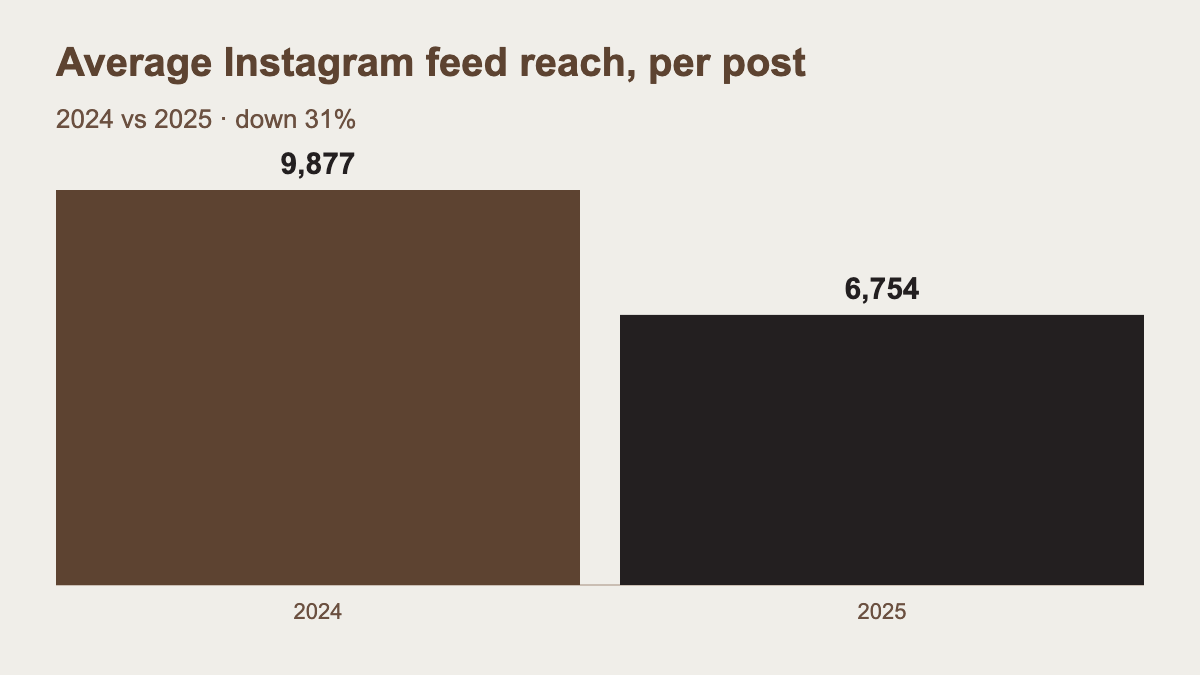
Read those numbers together and they say one thing: the audience didn’t leave. It got divided among more people saying more things.
What it means for a South African business
The common response to falling reach is to post more, and the data shows that is exactly what everyone did, which is why everyone’s reach went down. Posting more into a fuller room doesn’t get you heard. It gets you diluted.
Two details are worth holding onto. Comments on feed posts went up 7% even as likes fell 48%. Shares on feed posts rose 11%. The responses that ask something of the viewer held up far better than the ones that don’t. People are still willing to respond to something worth responding to. They are just less willing to tap a heart on autopilot.
What we’d do
Fewer posts, each with a reason to exist. Judge them by saves, shares and comments rather than reach, because reach has become mostly a measure of how crowded the room is. Cut anything that exists to keep the grid looking full. And stop measuring against last year’s reach. Measure against your own rate of response.
Data check: across the Instagram accounts we manage in the Winelands, feed reach moved by X% over the same period, and comments per post moved by Y%.
Data: 2026 Social Media Study, 39.7 million posts across 1.06 million business accounts, 2025 compared with 2024.
Keep reading
More insights
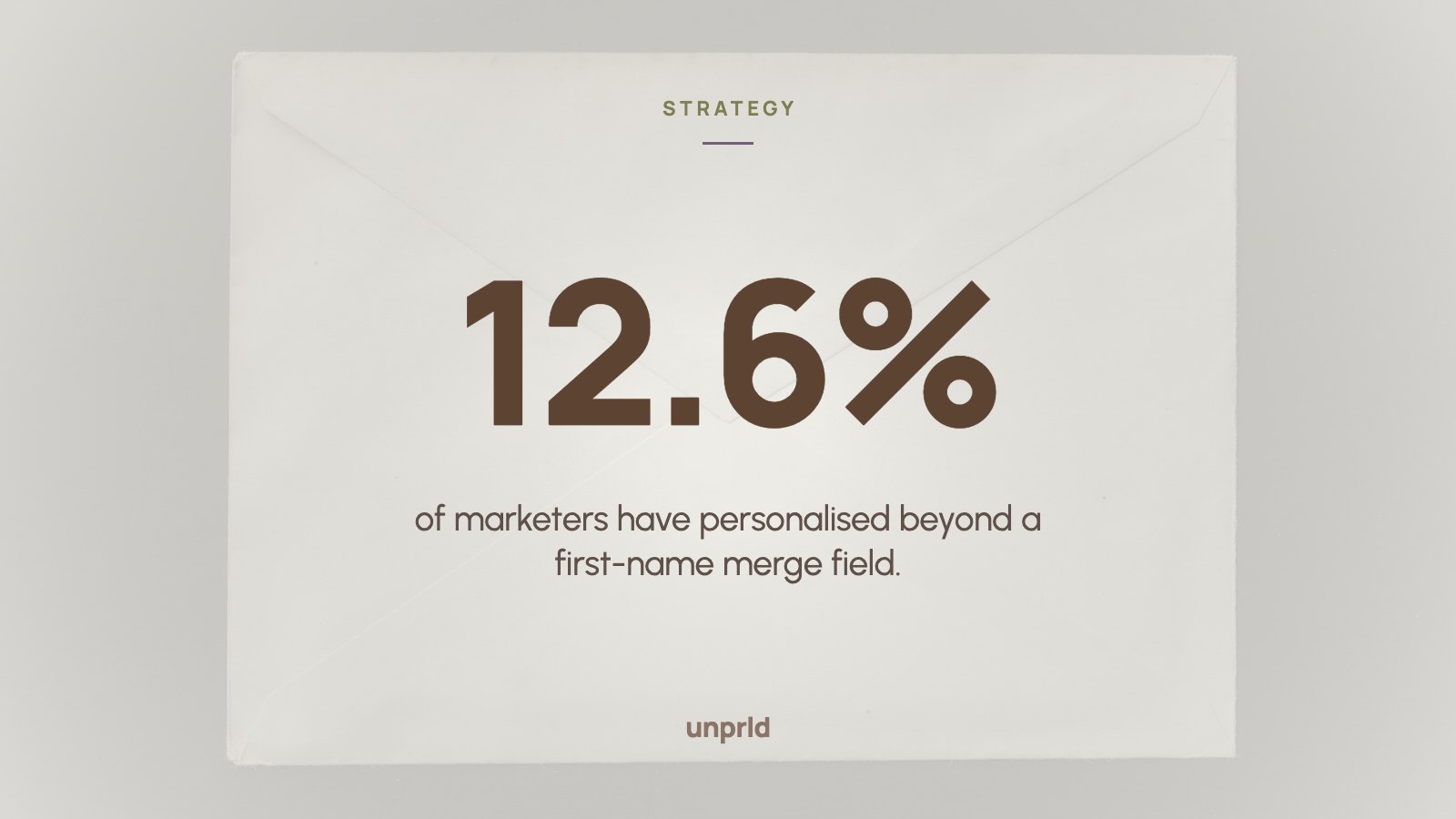
Most brands haven’t personalised their email marketing. They’ve just automated the greeting.
AI made content free to produce, which is exactly why having something true to say is now the only thing worth paying for

Stock photography is the marketing shortcut that’s quietly costing you engagement

South Africa’s diversity is a marketing advantage most local brands still treat as an afterthought
